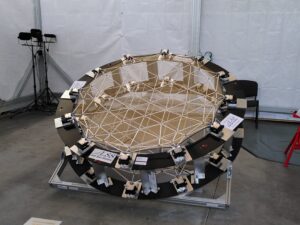
Design and validate Reflector Antennas with confidence
Solve the most complex reflector antenna design challenges in mission-critical applications.
Reflector antenna design is challenging
As an engineer designing reflector antennas for communications or radar systems, you're juggling competing demands on beam efficiency and sidelobe control. Surface distortions and feed interactions introduce effects that simple models cannot capture. Getting the electromagnetic analysis right, directly affects whether your design meets performance requirements in the field.
TICRA has supported reflector antenna development for over 50 years, earning the trust of leaders of the space industry, worldwide.
We have the solutions for your reflector antenna challenges
-
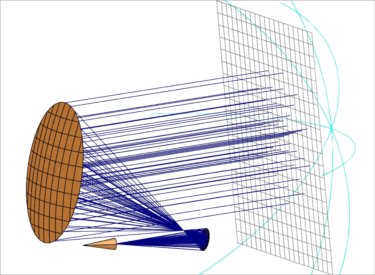
GRASP: Electromagnetic analysis engine
Analyse, with unrivalled speed and accuracy, electrically-large reflector systems with Physical Optics, Geometrical Therody of Diffraction and BoR-MoM solvers. -
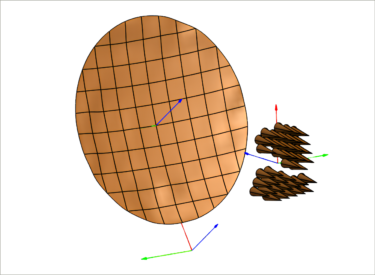
POS: Reflector shaping and array optimisation
Optimise reflector shapes and feed arrays to meet beam shaping, sidelobe and scan performance requirements. -
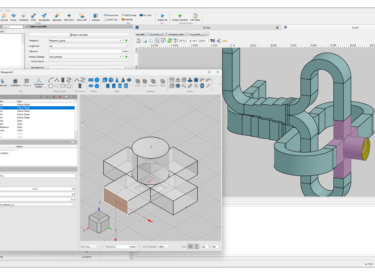
CHAMP 3D: End-to-end optimisation of feed chains
Optimise and analyse the complete feed chain from the coax input port through filters, power dividers and waveguides to advanced feed configurations.
Technical capabilities that drive results
Rapid reflector model setup: Build single, dual or rotationally symmetric reflector geometries in minutes using interactive configuration wizards.
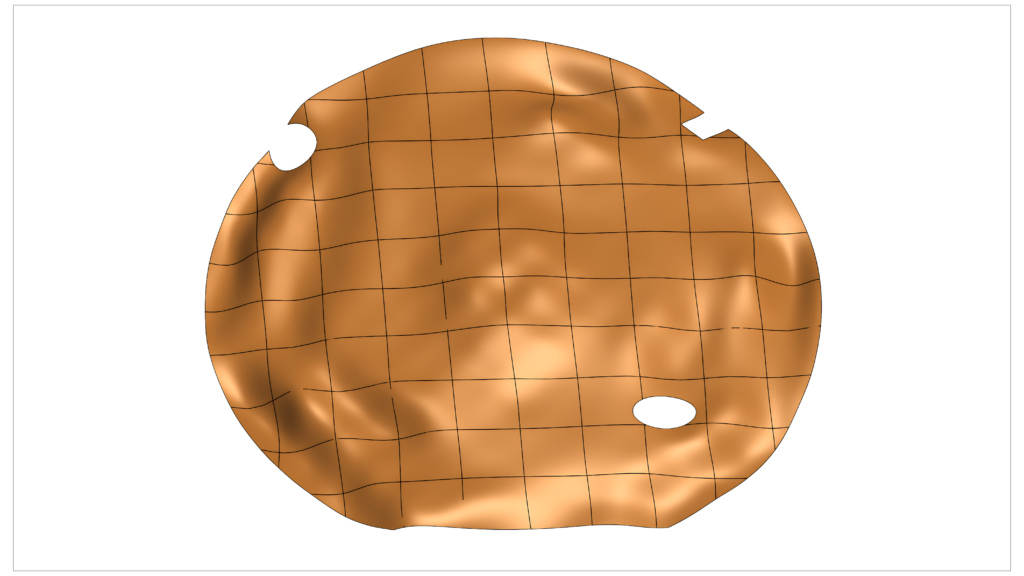
Complete reflector system modelling: Combine canonical surfaces, measured data, distortions, struts and radomes to model your exact system configuration.
Flexible feed pattern import: Use built-in feed models or load simulated and measured patterns for precise illumination analysis.
Fast electromagnetic solvers: Process electrically-large reflector systems with Physical Optics and BoR-MoM with unmatched speed.
Multi-domain optimisation environment: Adjust geometry, feed placement, shaping and array weighting simultaneously within a single optimisation workflow.

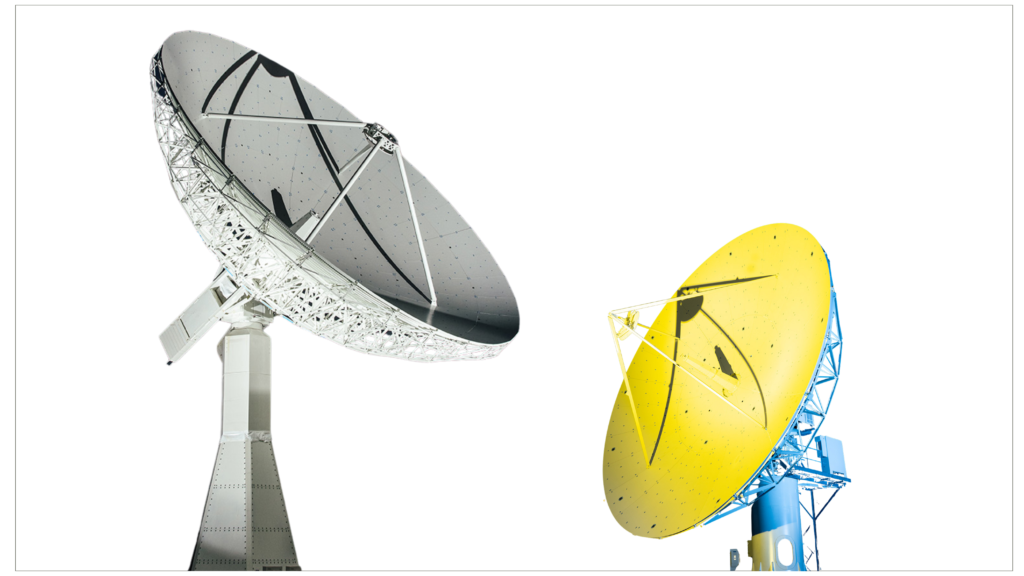
Radio Astronomy
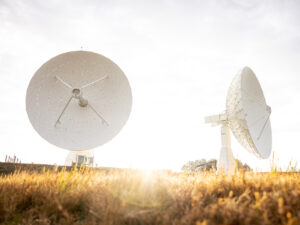
Radio telescopes and deep-space missions use reflector antennas for scientific discovery, where accurate beam geometry and sidelobe suppression enable detection of faint signals.
Ground segment operations
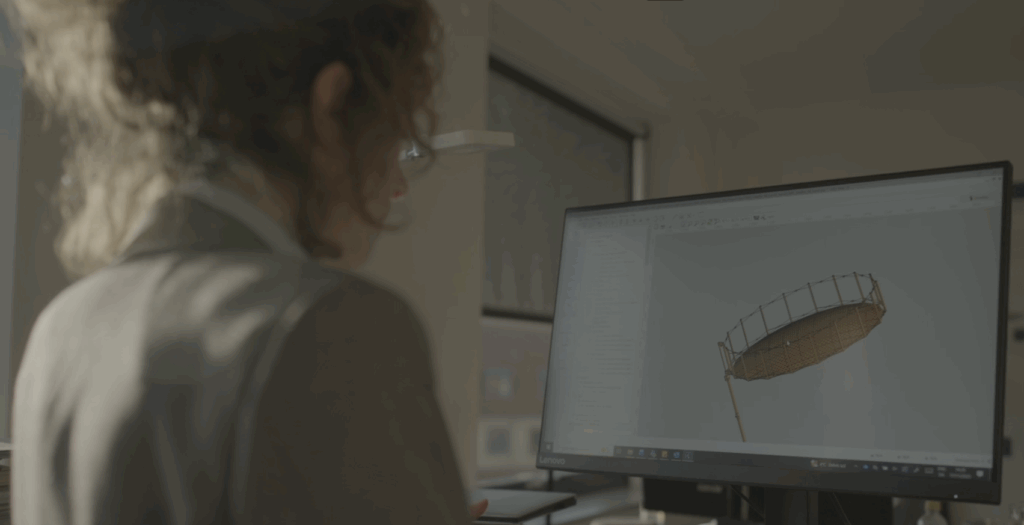
Ground stations depend on large reflector antennas for satellite tracking, telemetry and command operations, ensuring stable communication with space and airborne assets.
Take the next step on your reflector antenna journey
Get hands-on with TICRA’s reflector tools through a free trial. Or if you want to discuss your project first, our engineers are right here.
Some frequently asked questions
TICRA tools support single and multi-reflector systems, shaped reflectors, offset geometries and rotationally symmetric designs like VSAT antennas.
The extensive geometry library includes canonical surfaces, custom surfaces represented by imported data, distortions, struts and radomes for accurate representation of real-world systems.
GRASP models surface distortions, panel misalignments and manufacturing tolerances directly in electromagnetic analysis. It allows you to assess performance impact and optimise designs to maintain requirements despite real-world imperfections.
TICRA tools support importing geometries from external sources. GRASP accepts surface data provided as point positions in text files, parametric descriptions and the most common CAD formats such as STEP and IGES.
Physical Optics efficiently analyses electrically-large reflectors in seconds. The Body-of-Revolution Method of Moments (BoR-MoM) provides high-accuracy solutions for smaller, axisymmetric systems.
GRASP applies each method appropriately based on problem size and geometry.
TICRA tools are validated against measured data across numerous space, defence and scientific programmes. Correlation studies show excellent agreement between predictions and measured patterns and performance.
GRASP analyses typical electrically-large reflector systems in fractions of seconds using Physical Optics. A typical shaped reflector with a diameter of 250 wavelengths is analysed in 1/10 of a second on a standard consumer-grade processor. Runtime depends on geometry complexity and frequency, but the software's efficiency allows rapid iteration and design exploration compared to general-purpose solvers.